+86-411-85518978
zwa@zwa.cc


Selecting the correct double row spherical roller bearing for heavy-duty equipment requires more than matching the bearing size to the shaft diameter. Engineers should evaluate load conditions, operating speed, mounting dimensions, clearance, lubrication, and environmental factors to ensure reliable performance. The right specification helps prevent premature failure, reduce maintenance costs, and maximize equipment service life.
Before choosing a double row spherical roller bearing, confirm the following operating parameters:
Radial and axial load requirements: Determine the actual load direction, magnitude, and load variations during operation.
Operating speed: Higher speeds require careful consideration of cage design, lubrication method, and heat generation.
Shaft and housing dimensions: Verify bore diameter, outside diameter, width, and mounting arrangement.
Operating environment: Consider contamination, moisture, vibration, impact loads, and temperature conditions.
Heavy-duty applications such as mining equipment, steel processing machinery, crushers, and conveyors often experience shock loads and misalignment. A spherical roller bearing with the correct specification can accommodate these challenging conditions.
How do you choose the correct size of a double row spherical roller bearing?
The selection process starts with shaft diameter and housing requirements. Engineers should check the double row spherical roller bearing size chart to identify suitable bearing dimensions, including:
Bearing bore diameter (d)
Outside diameter (D)
Bearing width (B)
Basic load ratings
Limiting speed
A proper fit between the bearing, shaft, and housing is essential. An incorrect fit may cause problems such as:
Excessive clearance and vibration
Bearing overheating
Raceway damage
Reduced fatigue life
For heavy-duty machinery, interference fits are commonly considered for rotating loads, while housing fits depend on whether the bearing needs to accommodate movement or expansion.
Why is internal clearance important for spherical roller bearings?
Internal clearance affects bearing performance, heat generation, and load distribution. Heavy-duty equipment often operates under high loads and elevated temperatures, where standard clearance may not provide sufficient operating conditions.
Common clearance considerations include:
Normal clearance: Suitable for general operating conditions
Increased clearance: Recommended for higher temperatures, heavy loads, or interference fits
Special clearance: Used for customized operating requirements
Operating temperature should also be evaluated because excessive heat can reduce lubricant performance and shorten bearing life. Proper clearance selection ensures the rollers maintain optimal contact with the raceways during operation.。、
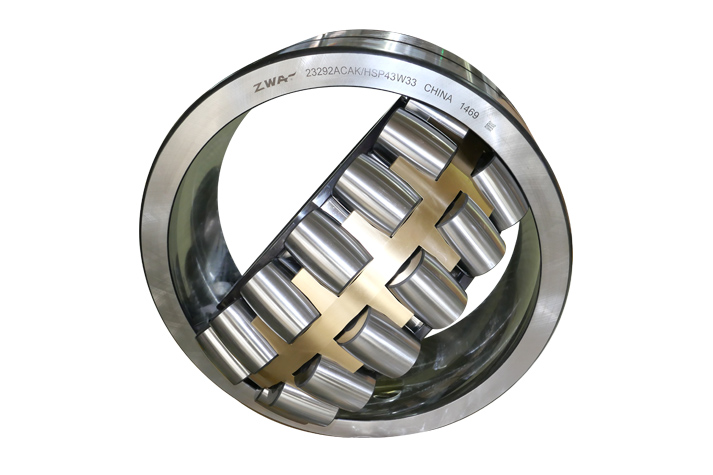
What factors affect the performance of a double row spherical roller bearing?
The cage design, sealing arrangement, and lubrication system directly influence reliability in demanding applications.
Different cage materials and designs provide different advantages:
Steel cages: Suitable for high-load and industrial applications
Brass cages: Preferred for heavy shock loads and demanding operating conditions
Specialized cages: Used for customized speed or temperature requirements
Open bearings are commonly used with centralized lubrication systems, while sealed designs help protect against dust, moisture, and contaminants.
Lubrication selection depends on operating speed, temperature, and load conditions:
Grease lubrication: Common for general industrial equipment
Oil lubrication: Preferred for high-speed or high-temperature applications
Correct lubrication reduces friction, controls operating temperature, and improves bearing durability.
What information should be included when requesting a spherical roller bearing quotation?
A complete RFQ helps bearing manufacturers recommend the most suitable solution. Include:
Bearing designation or required dimensions
Shaft diameter and housing dimensions
Radial and axial load data
Operating speed
Operating temperature range
Lubrication method
Environmental conditions
Required service life or performance expectations
Providing detailed application information allows suppliers to evaluate the correct double row spherical roller bearing design instead of selecting only by size.
A double row spherical roller bearing is designed for heavy radial loads, moderate axial loads, and applications where shaft misalignment may occur. It is commonly used in mining equipment, industrial machinery, gearboxes, and heavy conveyors.
Use a double row spherical roller bearing size chart to compare bore diameter, outside diameter, width, and load ratings. Final selection should also consider operating conditions and required service life.
Yes. Their spherical outer raceway design allows them to compensate for angular misalignment between the shaft and housing, making them suitable for heavy-duty equipment.
Common causes include improper installation, insufficient lubrication, contamination, incorrect clearance, excessive loads, and operating temperatures beyond the bearing specification.
Specifying the correct double row spherical roller bearing requires a complete understanding of the equipment’s operating conditions. By evaluating dimensions, load requirements, clearance, lubrication, and environmental factors, engineers can achieve longer bearing life and more reliable heavy-duty machinery performance. ZWA Bearings provides professional bearing solutions designed for demanding industrial applications.